
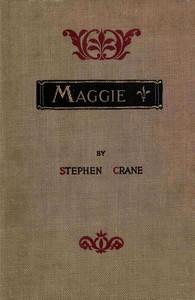
Maggie: A Girl of the Streets by Stephen Crane
Maggie: A Girl of the Streets is Stephen Crane's first novel, and it hits you like a brick. Published in 1893, it felt so brutally honest about city slum life that Crane had to pay for it himself at first.
The Story
We meet Maggie Johnson as a child in the filthy, violent Bowery neighborhood of New York. Her parents are constantly drunk and fighting, and her brother Jimmie is growing up tough and angry. Maggie, somehow, keeps a glimmer of innocence. As a young woman, she meets Pete, a bartender who seems glamorous compared to her grim home life. She sees him as her knight in shining armor, a ticket out. But Pete's intentions aren't pure, and when he abandons her, Maggie is cast out by her hypocritical, morally outraged family. The book follows her desperate, lonely struggle on the streets, showing how few choices she really has.
Why You Should Read It
This book stunned me with its modern feel. Crane doesn't give us a sentimental heroine or a easy moral lesson. He shows us a system—family, society, poverty—that chews up a good-hearted person. The characters aren't evil villains; they're products of their harsh world. Maggie's mother is a tragic figure, drowning her misery in drink. The writing is sharp and vivid. You can almost smell the stale beer and hear the crashes from the tenements. It's a heartbreaking, quick read that sticks with you.
Final Verdict
Perfect for readers who love gritty, realistic classics that don't pull punches. If you appreciated the social truth in books like The Jungle or the bleak atmosphere of a Dostoevsky story, but want something you can read in an afternoon, this is your book. It's not a feel-good tale, but it's a powerful, important one that makes you think long after the last page.
This publication is available for unrestricted use. It is now common property for all to enjoy.
George Miller
9 months agoI was skeptical at first, but the storytelling feels authentic and emotionally grounded. Highly recommended.
Susan Thompson
2 years agoSimply put, the plot twists are genuinely surprising. Truly inspiring.
Emma Johnson
11 months agoSurprisingly enough, the clarity of the writing makes this accessible. Truly inspiring.
Betty Lopez
1 year agoI didn't expect much, but the author's voice is distinct and makes complex topics easy to digest. Thanks for sharing this review.



Amanda Ramirez
1 year agoLoved it.