
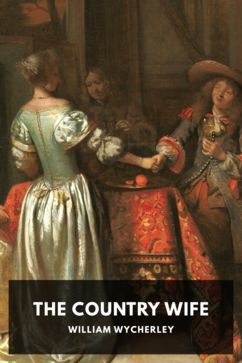
The Country Wife - William Wycherley
First published in 1675, William Wycherley's The Country Wife is a play that proves some human follies are timeless. It’s a comedy of manners that holds a mirror up to society's hypocrisy, and the reflection is both hilarious and a little uncomfortable.
The Story
The plot kicks off with a deliciously wicked premise. The libertine Mr. Horner, wanting unhindered access to married women, spreads a rumor that he’s become a eunuch. The husbands in town, relieved to have a 'safe' man around, eagerly invite him into their homes and encourage their wives to keep him company. Of course, Horner is anything but safe. The central story follows his pursuit of Margery Pinchwife, the naive young bride of a jealous country gentleman who has brought her to the corrupting city of London. As Horner's scheme unfolds, we watch a web of lies, mistaken identities, and secret letters threaten to unravel in the most public and embarrassing ways.
Why You Should Read It
Don't let the 'classic play' label fool you—this is wildly entertaining. The genius is in the characters. Horner isn't just a villain; he's a clever operator exposing the greed and blindness of the men around him. Margery Pinchwife’s journey from innocence to a dawning understanding of her own power is fascinating. The dialogue crackles with double meanings and insults so clever you’ll wish you could use them in real life. Reading it, you’re not just observing 350-year-old jokes; you’re seeing the raw mechanics of gossip, social climbing, and marital distrust that feel ripped from a modern headline.
Final Verdict
The Country Wife is perfect for anyone who loves a smart, saucy comedy. If you enjoy the verbal sparring of Jane Austen but wish it had a bit more bite and scandal, this is your next read. It's a fantastic pick for book clubs (the discussions will be fiery!), lovers of historical fiction who want a less romanticized view of the past, and anyone who believes the best humor comes from pointing out our shared human ridiculousness. Just leave your 21st-century sensibilities at the door and enjoy the ride.
This text is dedicated to the public domain. You do not need permission to reproduce this work.


George Martin
4 months agoThis digital copy caught my eye due to its reputation, it manages to maintain a consistent flow even when discussing difficult topics. A trustworthy resource that I'll keep in my digital library.