M
Mark Matzeldelaflor
Guest
- Thread Author
- #1
The Norway spruce is a beautiful ornamental tree species. The pyramid-shape makes it as a viable choice for Christmas trees. It is also a popular selection for bonsai.

Norway Spruce

Dwarf Norway Spruce

Weeping Norway Spruce

Norway Spruce Seedlings

Norway Spruce Bonsai

Norway Spruce Picture

Norway Spruce Cones

Norway Spruce Needles

Norway Spruce Tree
References
The post Norway Spruce appeared first on Coniferous Forest.

Norway Spruce
Scientific Classification
| Kingdom | Plantae |
| Division | Pinophyta |
| Class | Pinopsida |
| Order | Pinales |
| Family | Pinaceae |
| Genus | Picea |
| Scientific Name | Picea abies |

Dwarf Norway Spruce
Weeping Norway Spruce
Quick Information
| Other Names | European spruce |
| Tree Type | Coniferous evergreen |
| Identification | Height: 115-180 ft (35-55 m) Leaves: Dark green, needle-like leaves and tips are flat, sizing 0.47-0.94 in (12-24 mm) Trunk Diameter: 39-59 in (1-1.5 m) Bark: Up and down lines throughout the brown bark Cones: Either blunt or sharp triangular-shaped scale tips sizing 3.5-6.6 in (88.9-167.6 mm). Initially they are red or green turning to brown post pollination Seeds: Black in color sizing 0.15-0.19 in (4-5 mm) Branches: Branches are swooping and branchlets have a drooping shape Crown: The crown gradually becomes thinner when the tree ages |
| Distribution | Throughout Europe |
| Habitat | Coniferous forest |
| Hardiness Zone | 2-7 |
| Growth Rate | Slow |
| Lifespan | Around 300 years |
| Growing Condition | Sunlight: Full sun required Soil: Slightly alkaline, wet at times, well-drained, loam, and clay Water: during the dry weather it needs water |
| Drought Tolerance | Moderate |
| Diseases & Pests | Cytospora canker, needle cast, and rust diseases, mites, eastern Spruce gall adelgid, Cooley’s Spruce gall adelgid, bagworms, spruce budworm larvae, sawfly larvae, |
| Reproductive System | Monoecious |
| Propagation | Through pollens |
| Wildlife Value | Cone scales are consumed by caterpillars, and barks are fed by moths |
| Cultivars | 1. Acrocona 2. Clanbrassiliana 3. Inversa 4. Little Gem 5. Nidiformis 6. Gregoryana 7. Dumosa 8. Decumbens 9. Capitata 10. Barrya 11. Microsperma 12. Pendula or weeping Norway spruce 13. Virgata 14. Maxwellii 15. Tabuliformis 16. Repens 17. Ohlendorffii |
| Uses | Used for paper and timber production, making the vitamin C enriched spruce beer, constructing musical instruments. In the traditional Austrian medical science, the shoot tip of the tree could be either consumed as a healing beverage or used as an ointment, inhaler, bathing lotion for treating gastrointestinal tracts, infections, respiratory and skin problems |
| IUCN Conservation Status | Least Concern |
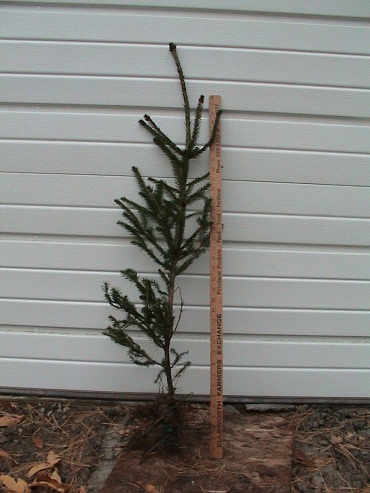
Norway Spruce Seedlings
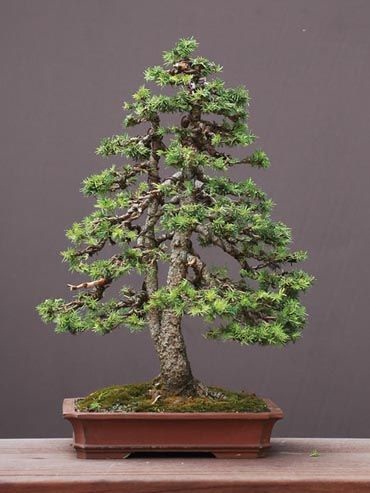
Norway Spruce Bonsai
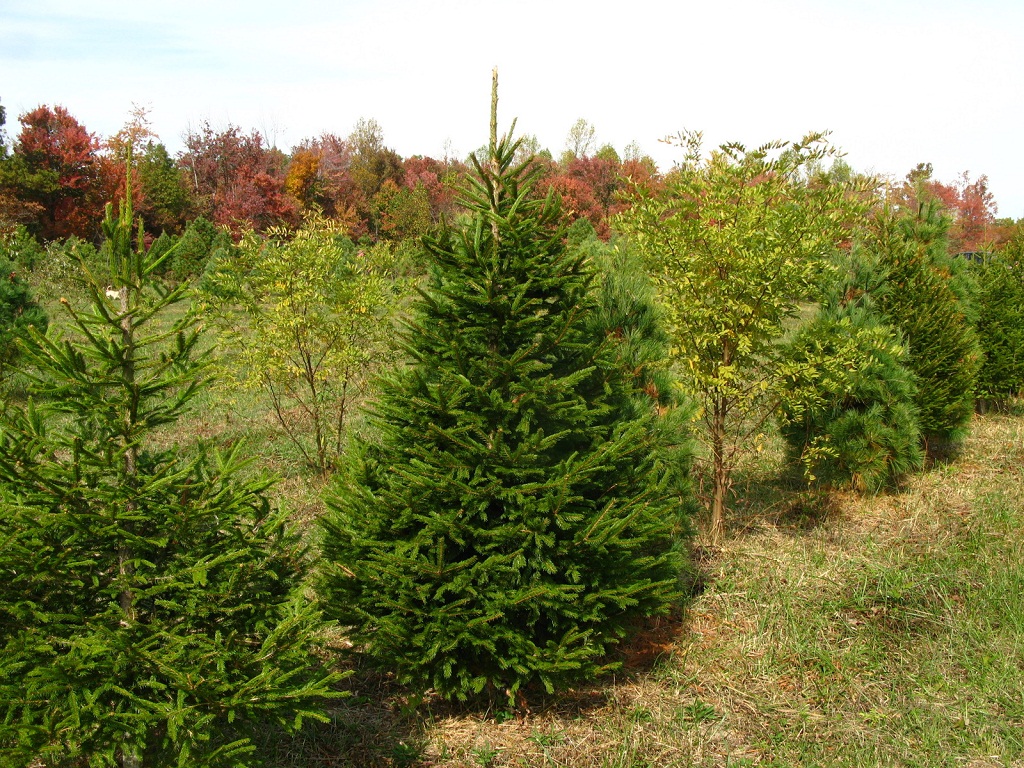
Norway Spruce Picture
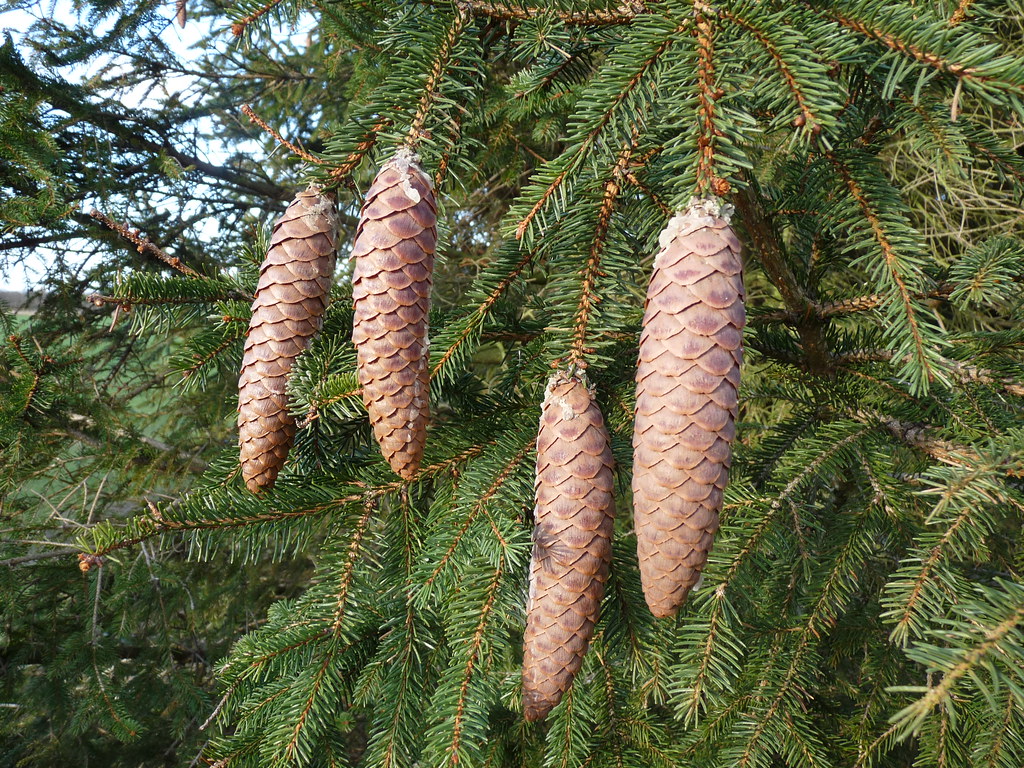
Norway Spruce Cones
Interesting Facts
- Its scientific name ‘abies’ means ‘fir-like’ in Latin.
- Old Tjikko, a clone of Norway spruce is believed to be 9, 550 years old, being the oldest living tree in the world.
- The number of the tree’s synonym crosses 150.
- Siberian spruce is known to be its subspecies but scientists are researching about it as the two trees are extremely similar.

Norway Spruce Needles
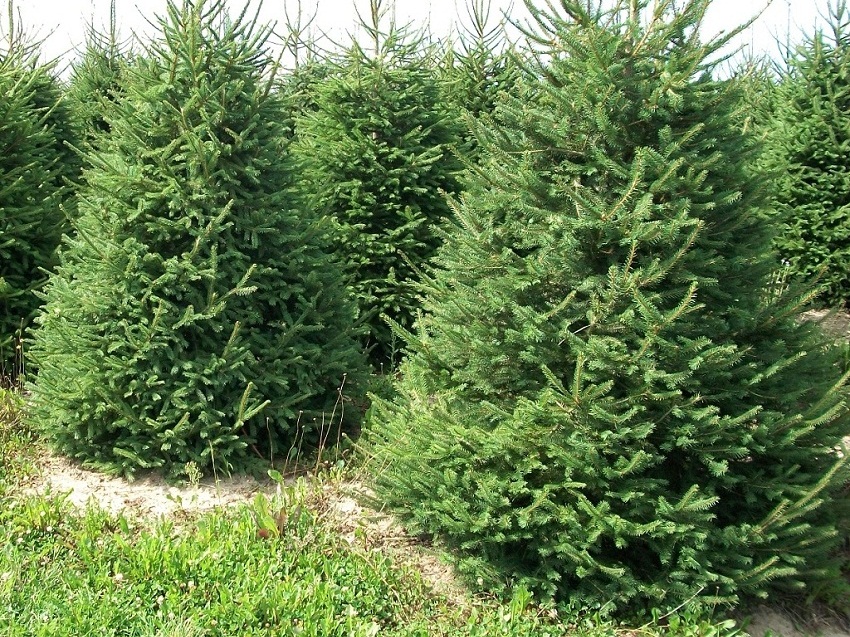
Norway Spruce Tree
References
- https://www.illinoiswildflowers.info/trees/plants/nor_spruce.html
- https://hort.ifas.ufl.edu/database/documents/pdf/tree_fact_sheets/picabia.pdf
- https://www.weekand.com/home-garden/article/spruce-tree-reproduction-seeds-18035285.php
- https://mortonarb.org/plant-and-protect/trees-and-plants/norway-spruce/
The post Norway Spruce appeared first on Coniferous Forest.